


New build homes in Essex have a lot going for them. They’re clean, modern, and often designed with energy-saving in mind. But when it comes to fitting shutters, they can sometimes bring unexpected challenges. From awkward window shapes to unfinished interiors, even the smallest detail can throw off what should be a straightforward installation.
Shutters aren’t just there to look good. They need to close properly, open without fuss, and sit neatly in place. A small measuring error or a tight window gap can make things frustrating, especially when the rest of the property is still settling. That’s why it helps to know what problems are common and how to spot them, so you’re ready before it gets in the way of enjoying your new space.
Not Enough Space For Installation
One of the more common hiccups in new builds is tight spacing around the windows. On paper, there might be enough room to add shutters, but once the plaster, trim and sealant are in, there’s little wiggle room left. This becomes even more noticeable with tall windows, corner placements or wide sills that stick out a bit more than expected.
You might also find that developers haven’t allowed for enough recess or clearance. In some cases, electrical fittings like sockets or alarm boxes sit right where a shutter frame should go. It’s these hidden details that catch families off guard after moving in.
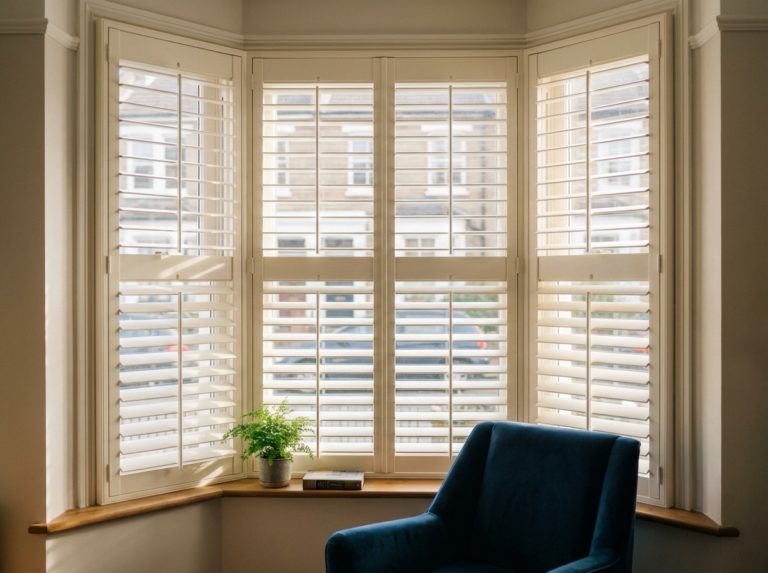
The way around these kinds of issues is to use made-to-measure shutters. Unlike ready-made options, these can be planned down to the millimetre. Here are a few simple ways this helps:
1. Frames can be designed to fit tightly even within slim or shallow recesses
2. Hinges and panels can be positioned to avoid obstructions like handles or light switches
3. Side profiles can be trimmed if skirting boards or tiles are in the way
4. Mid-rails can be aligned to window features, keeping things balanced visually
Custom solutions don’t just hide the fitting stress. They make things look and feel like the shutters were there from the start. Instead of squeezing something in as an afterthought, it becomes part of the home.
Uneven Window Frames
Even though new builds look smart from the outside, the inside of the windows sometimes tells a different story. During construction, there can be slight twists or slopes in the window frames that aren’t always noticeable straight away. You might not think anything’s wrong until a shutter fails to sit flat, or one side refuses to line up with the other.
These irregularities don’t always mean the whole thing’s out of shape. Many homes simply settle into place during the first year or two. But when shutters are measured and installed too early or the installer doesn’t plan for those small changes, you’re left with uneven gaps or panels rubbing on one side.
Here’s what helps when dealing with uneven frames:
1. Using frame style shutters that can hide and correct small shape issues
2. Planning with tolerance for movement in areas that haven’t fully settled yet
3. Checking for light leaks or gaps before final fitting
Let’s say you’ve just moved into your new Essex home, and you notice that the right-hand side of your living room window slopes ever so slightly. It’s not big enough to bother anyone normally, but once a rigid shutter is added, it becomes obvious. That’s the moment precision fitting, by someone who checks those corners thoroughly, proves its worth. It avoids the need to go back and rework everything later.
Incorrect Measurements
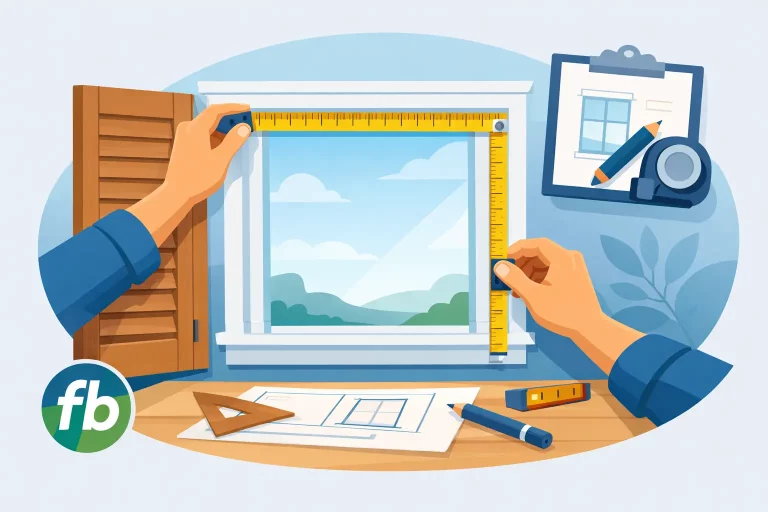
Getting the measurements wrong is one of the easiest ways to run into problems when fitting shutters in a new build. It might seem simple to measure a window, but all it takes is one small mistake and the shutters won’t sit level, won’t open properly, or just look off once installed. Many new builds in Essex come with features like recessed windows, oversized sills or decorative trims that can throw off standard measurements.
It’s common to assume that all windows are perfectly square, especially in a brand-new home. But during construction, things can shift slightly. Even a few millimetres can make the difference between a neat fit and an awkward one. A measuring tape alone can’t always account for bulges in the plaster or corners where the angles aren’t quite right.
Accurate measurements require checking each window in detail and noting variations, no matter how small. A few things that help avoid issues:
1. Measure at three points: top, middle and bottom to find the narrowest width
2. Check diagonals to spot if the window is out of square
3. Take wall obstructions like tiles, trim or wires into account
4. Always allow space for the shutter frame, not just the visible glass
Think about it like buying a suit. Even if you know your basic size, tailored fitting makes a world of difference. What works on one window might not work on another, even if they look the same. Getting the job done right from the start means fewer surprises when it’s time to install.
Fixing Issues With New Build Materials
Installing shutters in new builds isn’t just about the frame and panels. The type of walls, paints and finishes inside the home can also affect how and where shutters are mounted. Builders in Essex often use materials like plasterboard or lightweight blocks, especially on internal walls. While these are fine for most tasks, they can require a gentler approach with fittings to avoid damage.
Freshly painted walls might not have cured fully by the time you’re ready for installation. Likewise, recently plastered areas may still be holding moisture, which can weaken fixings or cause materials to shrink slightly over time. If brackets are drilled too early, or into poorly supported spots, shutters might begin to sag, loosen or leave behind cracks.
To get around these sorts of issues, it’s best to be patient and work with the space rather than rush into it. A careful installer will:
1. Use the right anchors or plugs for hollow materials like plasterboard
2. Avoid placing fixings directly into newly dried surfaces
3. Check moisture levels if plaster or paint are very fresh
4. Test each fixing point to ensure it can bear the load properly
One homeowner in Essex found that the corners of their bathroom window were too soft to hold screws securely because the wall still had residual moisture after a recent damp treatment. Instead of taking a risk, the installer waited another week and used a different fixing method that gave a solid hold without any damage.
Shutter installation doesn’t always stop at measuring and fitting. Understanding the materials involved can help avoid long-term problems that spoil the look or weaken the structure.
How to Make Sure Your Shutters Fit Right First Time
Fitting shutters in a new build property might seem like a straightforward job, but when you look closely, it’s clear there are lots of small things that need attention. From tight spaces and uneven frames to soft walls and tricky measurements, every part plays its role in how well the shutters feel once installed.
By planning ahead and giving each detail the care it needs, you can avoid common problems altogether. The result isn’t just shutters that look nice on day one, but shutters that feel like they truly belong in the space. They’ll open smoothly, close tightly and stay secure for years to come.
Whether you’ve just received your keys or are settling in properly now, getting the shutters fitted right can make a big difference. In Essex, where many new homes share similar build styles, taking the extra step with design and fitting avoids the little surprises that catch people out. It’s all about creating a finish that not only looks smart but actually works for how you use your home each day.
Whether you’re just settling into your new property or looking to enhance it with character and style, making informed decisions will save you from common pitfalls. For those wanting to blend practicality with elegance, take a look at our carefully crafted new build window shutters in Essex. At Fab Shutters & Blinds, we’re here to help create a stunning and perfectly tailored finish that suits your home beautifully.