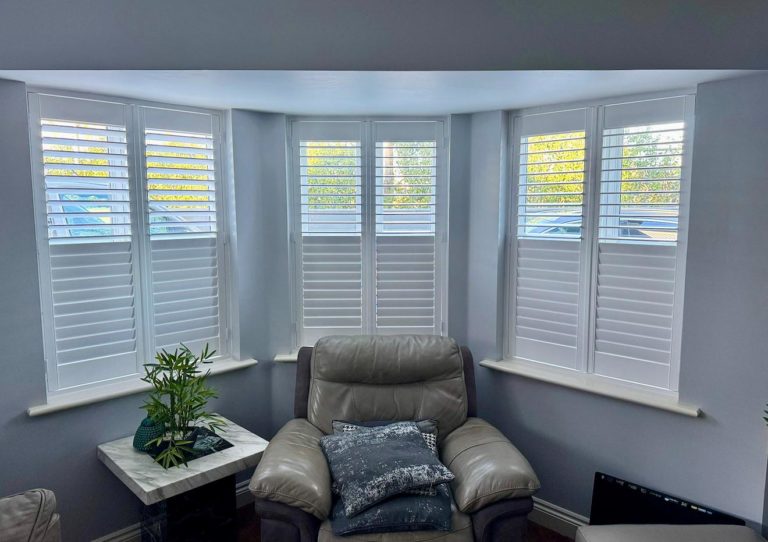



Bespoke shutters can do more than just cover a window. The right design can bring out the best in your home’s style, whether it’s full of original features or has a more modern look. The beauty of shutters lies in how they sit within the character of your house, complementing lines, shapes and colour without overpowering the space. When done right, they feel like they’ve always belonged there.
In Essex, where homes range from sleek new builds to cottages with history in their walls, there’s no one-size-fits-all. That’s where picking shutters that match your home’s architecture really matters. It isn’t just about choosing something that looks good. It’s about going with something that fits the home’s bones, feels natural and adds something useful, whether that’s warmth, privacy or better light control.
Understanding Your Home’s Architectural Style
Before jumping into shutter designs, it helps to step back and look at your home’s shape, layout and structure. Many places around Essex carry strong architectural details that have been there for decades. Some homes show off wide sash windows, cornices and high ceilings that point to Victorian or Edwardian design. Others are more Georgian, with symmetry, large square windows and a clean, balanced front. Then there are newer homes in places like Chelmsford or Brentwood, with minimalist edges and more glass-filled spaces.
Spending a little time working out what category your home falls under sets the tone for the shutters you choose. Look for hints like:
– Window size and shape – Tall sash windows often suit full-height or tier-on-tier shutters
– Internal mouldings – Traditional coving or wooden floors might lean towards classic finishes
– Door frames and façade – A mix of materials, like brick and render, can suggest a transitional or more modern look
Don’t worry if your home doesn’t fall into one neat style. Plenty of houses in Essex have been extended or updated over the years. The goal isn’t to pin it down to one label, but to understand the major details so your window coverings work with them, not against them.
A great example would be a semi-detached home built in the 1930s with bay windows and stained glass at the top panes. These features cry out for something subtle and elegant that won’t compete with their charm, perhaps café-style shutters that fit neatly below the glass, letting the patterns above take centre stage.
Choosing The Right Shutter Design
Once you’ve got a good idea of your home’s architecture, it’s time to explore shutter styles that suit it. Not all shutters look or function the same. Knowing which ones pair best with your home’s traits can make the end result feel intentional.
Here’s a quick guide to help match style and shutter:
1. Full-Height Shutters
These run the full length of the window, giving a clean, solid look. They work well for modern homes or Georgian properties where windows tend to be large and evenly spaced. They let in lots of light when open and offer solid coverage when closed.
2. Tier-on-Tier Shutters
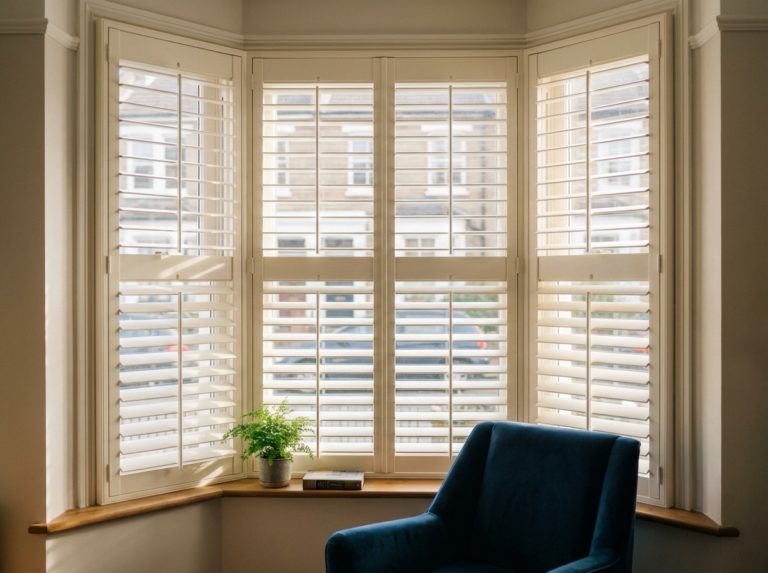
One of the most flexible options. The top and bottom sections open separately, perfect for Victorian houses with tall sash windows. Keep the bottom closed for privacy while letting in light from the top.
3. Café-Style Shutters
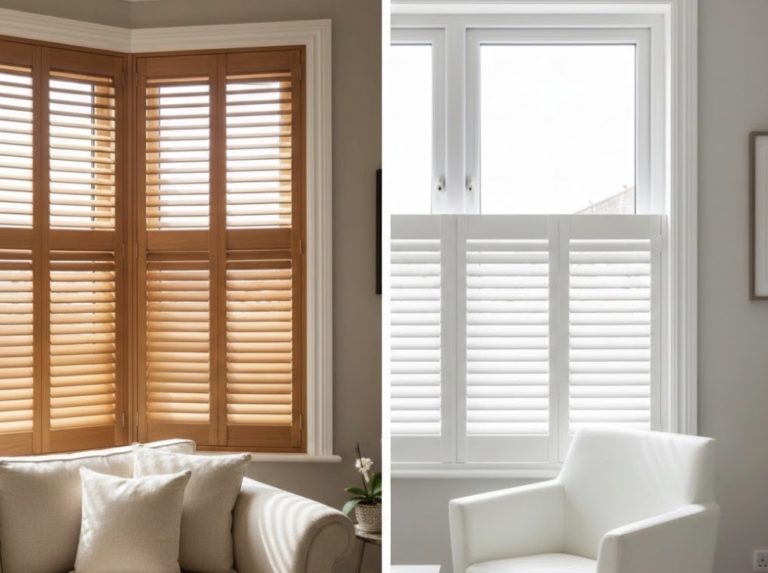
These cover just the lower half of the window. They work beautifully in homes with decorative upper panes or leaded glass. Perfect for period homes or even barn-style properties across rural Essex.
4. Solid Panel Shutters
Less about light play and more about complete privacy and warmth. These suit older cottages, especially ones with smaller or slightly irregular window shapes.
Each design has its own way of shaping the room it’s in. Picking the right one helps balance both the look and the feel of the space. Start with the house, then move inwards. Let the structure and features guide you. Try to keep the design consistent across the front of the property. It supports curb appeal and makes the home feel more put together.
Colour And Finish Options That Work In Essex Homes
When it comes to picking the right shutters, shape and size might seem like the main concern. But colour and finish matter just as much. They have a big impact on how well your shutters match the rest of your house, both inside and out.
Homes across Essex vary widely in tones and materials. Red brick, painted render, flint stone, cladding and everything in between can be found on the same street. That means your shutters need to blend in or stand out in just the right way. Pale colours like classic white or soft cream suit period homes well. They don’t clash with older features like coving or fireplaces. They also help keep the space feeling light and airy.
For more modern homes with grey tones or muted colour palettes, a wood stain or soft grey can add depth. Think about your furniture, wall paint and flooring. You want your shutter finish to support these choices, not work against them. Too much contrast might make the shutters feel out of place.
Here are a few well-loved shutter shades to consider:
– Snow white or silk white – great for clean, classic interiors
– Light oak or walnut stain – works well with wooden floors and neutral walls
– Pebble grey or driftwood tones – compliments modern interiors and minimal décor
– Sage or muted blue – softens the tone in country cottages or seaside homes
Finally, the finish makes a subtle difference. A matte finish often gives a more natural look. A satin or soft gloss can help bounce light around if the room needs it. If your home has older features, go for traditional textures. If it’s newer or recently refurbished, you might prefer something smoother and more refined.
Balancing Function With Style In Shutter Design
Shutters that look good are great, but they also need to work hard. Comfort matters. The right design can make your life easier while still fitting the feel of your home.
Autumn in Essex means cooler days and longer nights. This is when shutters with solid panels or tight frames really shine. They help keep warmth in and cold out, adding insulation without thick curtains. If you live near a busy road or close neighbours, you’ll likely want shutters that offer solid privacy, especially after sunset.
This is where function meets look:
– Living rooms can use tier-on-tier shutters to adjust privacy and light separately
– Bedrooms often suit full-height shutters with blackout options or solid panels
– Kitchens and bathrooms benefit from moisture-resistant finishes and café-style shutters that let in light while keeping the lower view covered
You can choose different slat sizes too. Bigger slats let in more natural light and are great for rooms with a garden view. Smaller slats work well for cosy spaces or windows near the street where privacy is more important.
A well-fitted shutter should help manage glare, retain heat and protect your space, all without drawing too much attention to itself.
Adding Your Own Touch To Tie It All Together
After sorting out the look and function, the final part is making them yours. Custom touches bring that extra element of style and make every shutter feel like it belongs in your home.
Some people like slim, tidy frames. Others may lean towards more traditional shaped panels with a bit of trim. You can also go simple or stand-out with hardware and tilt rod options. Hidden tilt rods give a clean look. If you’re going for classic charm, a visible rod might suit better.
Here are a few easy ways to reflect your own style in your shutter design:
– Choose a colour that ties in with your cushions, rugs or wall paint
– Mix up shutter styles room by room to suit the space while keeping finish colours the same
– Use timber tones upstairs and painted styles below for a balanced feel
– Pick hinges and knobs that match things like kitchen taps or door handles
These finishing touches matter. They don’t have to be fancy, just thoughtful. They turn off-the-shelf into something shaped around you.
Let Your Home’s Architecture Lead the Way
Shutters are more than a style piece. They shape comfort, frame your light and add real character to a room. When they echo your home’s structure and design, everything feels more connected.
Whether you have a red-brick terrace near Colchester, a renovated barn by the Essex countryside or a crisp new build further south, there’s a shutter style that can bring it all together. It works best when your home leads the journey. Start with what’s already there. Let the architecture do the talking. Shutters just help fill in the rest.
Ready to transform your home’s look and feel? Explore how bespoke shutters in Essex can complement your home’s architecture while adding comfort, privacy and timeless charm. Discover how Fab Shutters & Blinds can help you create a tailored solution that blends style with everyday function.