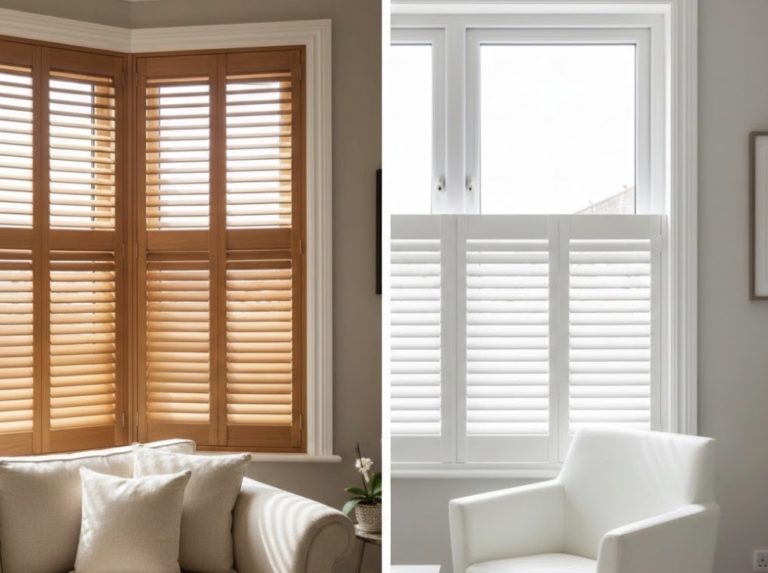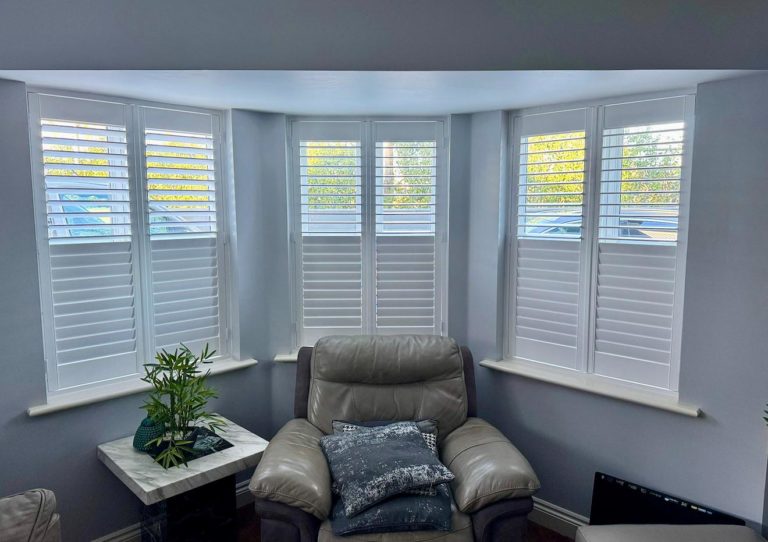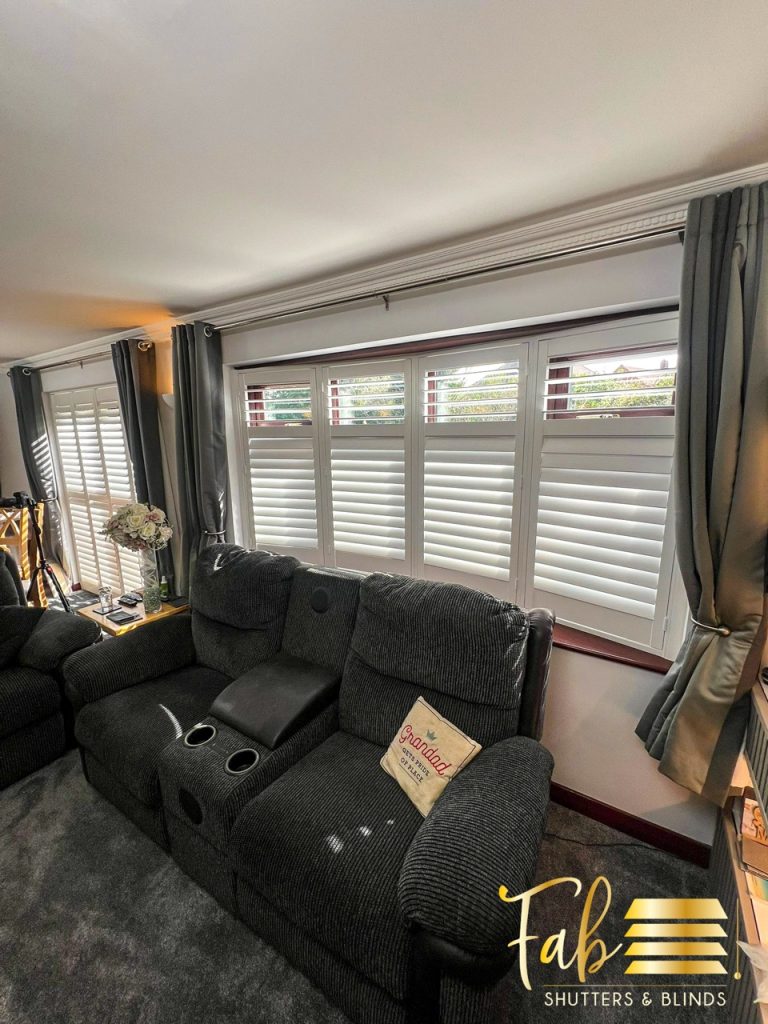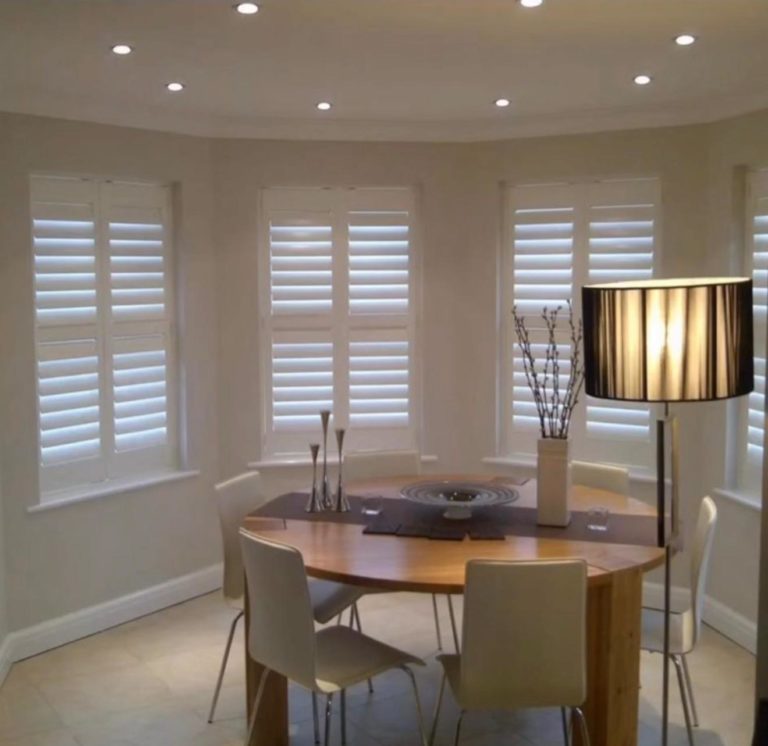



Wooden shutters have long been a popular choice for homes in Essex. They’re stylish, timeless and practical, adding charm to windows while helping to control light, heat and privacy. But like anything fitted to a home, they can sometimes show signs of wear. A small issue left alone can grow into something that affects how well the shutters open, close or look from the street.
Awareness is key when it comes to keeping your shutters in top shape. Knowing what to look for and when to act can stop lots of little annoyances turning into bigger problems. Whether you’re dealing with a stiff hinge or notice the paint starting to peel, being a step ahead can help your wooden shutters last longer and do their job properly throughout the seasons in Essex.
Common Problems With Wooden Shutters
It doesn’t take long for weather, moisture or regular use to cause problems with wooden shutters. Essex’s climate isn’t always gentle on timber, especially with patchy rainfall in autumn and higher humidity rolling in from the coast. Below are some of the most typical issues homeowners face and what signs to watch for.
1. Warping and Moisture Damage
Shutters made of timber are tough but can still be sensitive to moisture. When the air’s damp or there’s condensation on windows, the wood can soak it up. After a while, this might cause panels to swell, twist slightly or bend out of shape. Warped shutters may stick when opening or not line up properly when closed. This also creates small gaps that let in draughts or too much light. Rooms like bathrooms or kitchens, where steam gathers more often, tend to be the most affected.
2. Paint or Finish Peeling
Exposure to sunlight, wind and rain can wear away the paint or finish on your shutters. What usually starts with a small chip along the bottom edge can soon spread. Once the outer coating’s gone, the wood underneath becomes vulnerable to water damage, swelling and rot. Peeling paint also spoils the look and feel of the room, especially if your shutters are a centrepiece in places like the lounge or dining area.
3. Sticking or Difficulty Opening and Closing
Sometimes shutters stop moving smoothly. Hinges can stiffen or louvers might catch when you tilt them. This often happens when dust builds up around the joints or if the wood has slightly expanded. Cold weather can make it worse, especially in October as the temperatures begin to drop. Left too long, this can turn into a real nuisance when you’re just trying to crack them open for fresh air or a bit of natural light.
4. Loose Louvers
The individual slats or louvers might become wobbly or uneven over time. This affects how much control you have over light and privacy. Louvers that don’t stay where they’re angled either droop halfway or shift with the slightest movement. Not only does that look messy, but it cuts down their effectiveness as they stop blocking or directing light how you want.
5. Hardware Issues
Hinges, screws and catches are small parts that play a big role. Over time, they can loosen, rust or even strip the surrounding wood. If your shutters creak, sag or won’t stay shut, it might be down to old or damaged hardware. One homeowner in Essex noticed the left panel of her front window shutter wouldn’t stay upright after a heavy storm. Turned out, two screws had worked loose where they met the frame.
While all of these problems can seem minor at first, they often link together. A peeling finish can lead to moisture damage. A swollen panel can strain the hinges. That’s why it helps to spot and sort them early before they start to pile up. With a bit of care or timely help from a professional, it’s possible to keep your wooden shutters looking and working just like they should.
Preventive Maintenance Tips
A few simple habits can go a long way in keeping your wooden shutters in great shape. Staying on top of maintenance doesn’t need to be time-consuming or fancy, just smart and consistent. Those little details make a big difference, especially with the changing weather around Essex during autumn.
Here are some easy ways to prevent the most common faults with wooden shutters:
– Dust and clean them regularly: Use a soft cloth or brush to remove dust along the louvers and frames. Pay extra attention to moving joints and corners where dirt tends to build up.
– Repaint or re-stain when needed: If you spot early signs of peeling or fading, it might be time to refresh the finish. Good paint or varnish acts as a barrier against moisture and helps maintain colour.
– Control moisture levels indoors: Using extractor fans in humid rooms like bathrooms and kitchens can help. You could also crack windows open briefly each day to reduce clingy moisture during autumn’s damp spells.
– Oil the hardware: A tiny bit of furniture oil or spray lubricant on hinges and pivot points helps keep movement smooth. Do this every few months or sooner if you start hearing squeaks.
– Tighten screws and brackets: Check over all the joins for wobble or slackness. A few twists with a screwdriver can secure panels that feel loose or look crooked.
These steps are simple but worth sticking with. It’s better to prevent problems now than to deal with repairs later on. And once they become part of your normal cleaning routine, they won’t feel like a chore.
Professional Repairs And Maintenance
Some shutter issues go deeper than what can be handled with a cloth or screwdriver. When parts start breaking or the panels are warped badly enough that they don’t even close, that’s usually a sign it’s time for professional help. Even the most careful homeowner won’t always be able to tell what’s causing the problem or how far it’s spread.
For example, hardware repairs often look straightforward, but replacing corroded parts or re-anchoring hinges into weakened timber isn’t always simple. Doing it wrong can damage the wood more or throw the whole mechanism out of line. The same goes for re-finishing wooden shutters. Applying a new coat of paint or stain takes more than just picking a brush and a tin. Poor prep work can trap damp against the surface or leave streaks behind.
Then there’s warping, which might require part of the shutter to be replaced or reshaped. If multiple panels are affected or pulling away from their frames, it’s even more delicate work. That’s not something you want to guess through, especially when the shutters are a focal point on the front of your house. A professional knows how to restore alignment and structure without damaging what’s already there. It can also save you from replacing the whole set when a few careful repairs would do.
Transform and Preserve Your Shutters
Keeping your wooden shutters working well doesn’t need to be complicated. Once you understand what can go wrong and how it usually starts, it’s easier to stay ahead. Most of the time, it’s the small signs that speak loudest, like a bit of paint curling at the edges, a stubborn hinge or a slow drop in how snug your panels feel when you close them.
During autumn in Essex, when there’s more damp in the air and chilly mornings start rolling in, shutters can show wear more quickly if they’re not cared for. That’s why regular cleaning, moisture control and movement checks are more helpful than they might seem at first glance.
Whether you’re giving yours a once-over with a cloth or calling someone in for more detailed work, the goal stays the same. Help your shutters last longer, stay solid and match the style of your home. With a bit of upkeep and some careful attention, that’s well within reach.
Whether you’re looking to extend the life of your window features or simply want them to look their best, the right care and expert touch make all the difference. Discover how Fab Shutters & Blinds can help you maintain and improve your home with wooden shutters in Essex. Let us guide you in preserving the charm and functionality of your living spaces.