


A blind can make a room feel calm, considered and properly finished – or it can look like an afterthought the moment it goes up. That is why knowing how to choose window blinds matters so much. The right choice does far more than cover glass. It shapes the light, protects privacy, softens acoustics and brings the whole room together.
For many homeowners, the challenge is not a lack of options but too many of them. Roller, Roman, Venetian, vertical, Perfect Fit, roof blinds, motorised systems – each has strengths, and each suits certain windows better than others. The best results come from matching the blind not only to your décor, but to the way you live in the space every day.
How to choose window blinds by room
Start with the room itself. A beautiful blind in the wrong setting will always feel like a compromise.
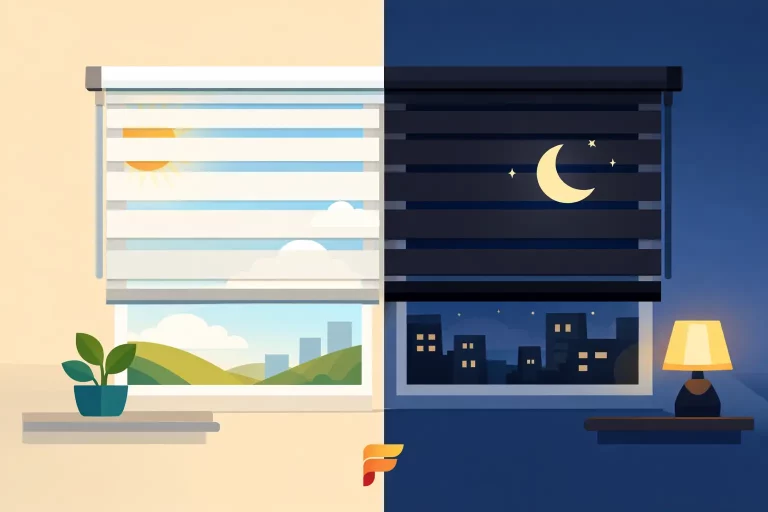
In bedrooms, light control usually comes first. If you are trying to create a darker, more restful space, blackout roller blinds or Roman blinds with blackout lining are often a strong choice. Venetian blinds can work well too, particularly when you want flexible control during the day, but they may allow more light around the edges than a fully fitted blackout option.
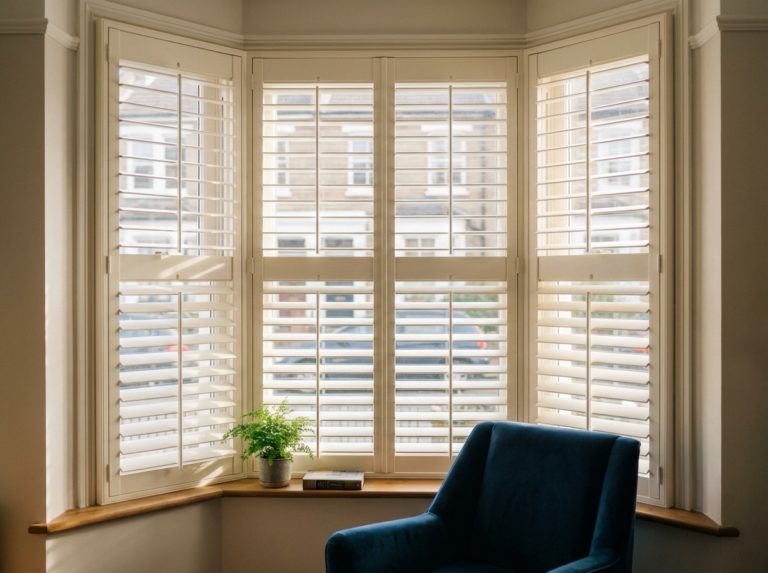
In living rooms, the balance is usually between softness, privacy and style. Roman blinds bring a more tailored, luxurious finish and work particularly well in period homes, bay windows and spaces where furnishings are part of the design story. Roller blinds can also look very refined when chosen in quality fabrics, especially in more modern interiors where clean lines matter.
Bathrooms and kitchens need a more practical lens. Moisture resistance, easy cleaning and durability matter just as much as appearance. Faux wood Venetians are often popular here because they give the look of painted slats without the same sensitivity to humidity as natural materials. For contemporary kitchens, neatly fitted rollers can keep the look crisp and uncluttered.
Home offices sit somewhere in the middle. You may want glare reduction on screens, privacy from the street and enough daylight to keep the room feeling energised. This is where adjustable slatted blinds can be useful, because they allow finer control than a simple up-or-down blind.
Think about light before style
One of the biggest mistakes people make is choosing blinds by colour or fabric first. Style matters, of course, but light changes how a room feels hour by hour.
Ask yourself whether the room needs soft filtered light, strong glare reduction or near-darkness. A south-facing room may need more sun control to stop the space overheating and prevent fading on flooring and furniture. A street-facing front room may need privacy during the day without making the room feel closed in. A nursery or bedroom may need blackout performance that works reliably in summer as well as winter.
This is where made-to-measure advice makes a real difference. The same fabric can behave very differently depending on the blind type, the recess depth and whether it is fitted inside or outside the window. A well-specified blind feels effortless because it has been chosen around the room’s actual conditions, not simply from a small fabric sample.
Privacy is not one-size-fits-all
Privacy means different things in different homes. Ground-floor windows facing the road need something very different from an upstairs landing or rear bi-fold doors overlooking a garden.
If your concern is being overlooked during the day, slatted blinds can be helpful because you can angle them to admit light while obscuring direct views. If evening privacy is the issue, fabric density becomes more important, as many lighter blinds will appear more transparent once interior lights are on.
For larger glazed areas such as patio doors or bifolds, the blind also needs to move with the way the doors are used. Vertical blinds still have a place in some homes, but many homeowners now prefer more design-led solutions that feel softer and more architectural. The right answer depends on how often the doors open, how much stacking space you have and whether you want the blinds to become a feature or fade quietly into the background.
Fit matters more than most people realise
Even the best blind can look disappointing if the fit is wrong. Gaps, uneven drops, awkward brackets and poor proportions quickly spoil the finish.
That is why measuring is not a small detail. Recess windows need enough depth for the chosen blind to sit comfortably. Bay windows often require careful planning around angles and returns. Tilt and turn windows, glazed doors and skylights can all need specialist systems. A made-to-measure blind should feel as though it belongs to the window, rather than being persuaded to fit it.
This is also where professional guidance tends to save money in the long run. Off-the-shelf products can seem appealing at first glance, but once you factor in measuring errors, replacement costs and fitting time, they are not always the bargain they appear to be. For homes where finish matters, bespoke usually gives a far more polished result.
How to choose window blinds that suit your style
Once the practical points are clear, the design decisions become much easier.
If your home leans classic, textured Romans, soft neutrals and subtle patterns often bring warmth and a more furnished look. They pair beautifully with traditional joinery, bay windows and layered schemes where cushions, upholstery and paint tones are all working together.
If your interior is more contemporary, simpler silhouettes usually perform best. Think rollers in refined plains, slimline Venetians or motorised systems that keep lines clean and uncluttered. In these spaces, the blind should often support the architecture rather than compete with it.
Colour needs a little confidence. Matching the blind exactly to the wall can create a calm, cohesive effect, especially in smaller rooms. Choosing a slightly deeper tone can add definition. Pattern can be effective too, but only when it earns its place. If the room already has statement flooring, wallpaper or upholstery, a quieter blind may allow everything else to breathe.
Materials also affect the feel of a room. Real wood brings warmth and depth that is difficult to imitate, while aluminium and performance fabrics often suit modern schemes better. Neither is automatically right. It depends on the finish you want and how the room is used.
Consider operation and everyday convenience
A blind may look wonderful in a photograph, but if it is awkward to use, that frustration builds quickly. This matters especially on larger windows, hard-to-reach rooflights and busy family spaces.
Motorised blinds are increasingly popular because they offer ease as well as elegance. In rooms with skylights or lantern roofs, they are often the most practical solution full stop. In living spaces, they can also make daily light management much simpler, particularly when several blinds need to move together.
Manual operation still works perfectly well in many rooms, but it is worth being honest about habits. If opening and closing the blind feels fiddly, people tend to stop using it properly. The best blind is one that performs beautifully and fits naturally into daily life.
Budget, but think in terms of value
Price matters, but so does lifespan. A cheaper blind that warps, fades or never quite hangs properly can end up costing more in frustration and replacement.
When comparing options, look beyond the headline figure. Ask what is included in the service, whether fitting is part of the price, what the materials are actually made from and how tailored the advice is. Transparent pricing and professional installation often represent far better value than a low upfront quote with extras added later.
A premium blind should justify itself through finish, durability and the confidence that it has been specified properly. That is especially true in key rooms such as kitchens, principal bedrooms and open-plan living areas where the window treatment has a real impact on the overall feel of the home.
When expert help makes the decision easier
If you are choosing blinds for one straightforward window, a simple product route may be enough. But when you are dealing with bays, bifolds, roof glazing, unusual shapes or a whole-house scheme, expert advice becomes far more valuable.
A good consultation does more than measure. It helps you weigh up trade-offs, compare fabrics in your own light and understand what will work best in practice, not just in theory. That is often the difference between a room that looks nice for a few months and one that still feels right years later.
For homeowners who want a confident result, this is where a specialist service comes into its own. Companies such as Fab Shutters & Blinds bring design guidance, precise surveying and professional fitting together, which removes much of the guesswork and gives the finished space the quality it deserves.
The simplest way to choose well is to stop asking which blind is best in general and start asking which blind is right for that room, that window and that way of living. Once those pieces line up, the choice becomes far clearer – and the end result feels beautifully considered every time you walk into the room.